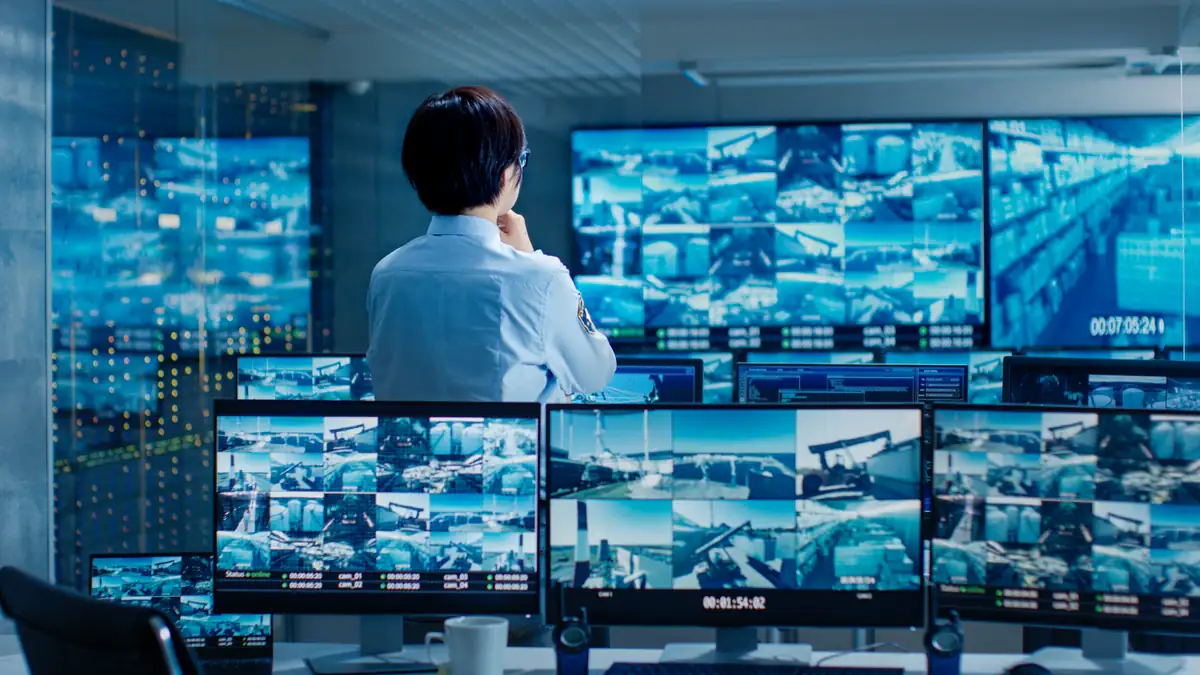
01Command
Every alarm on one screen
Your cameras, perimeter sensors, access control and gate alarms all feed one queue. The operator stops hopping between four systems and sees the whole site in one place.
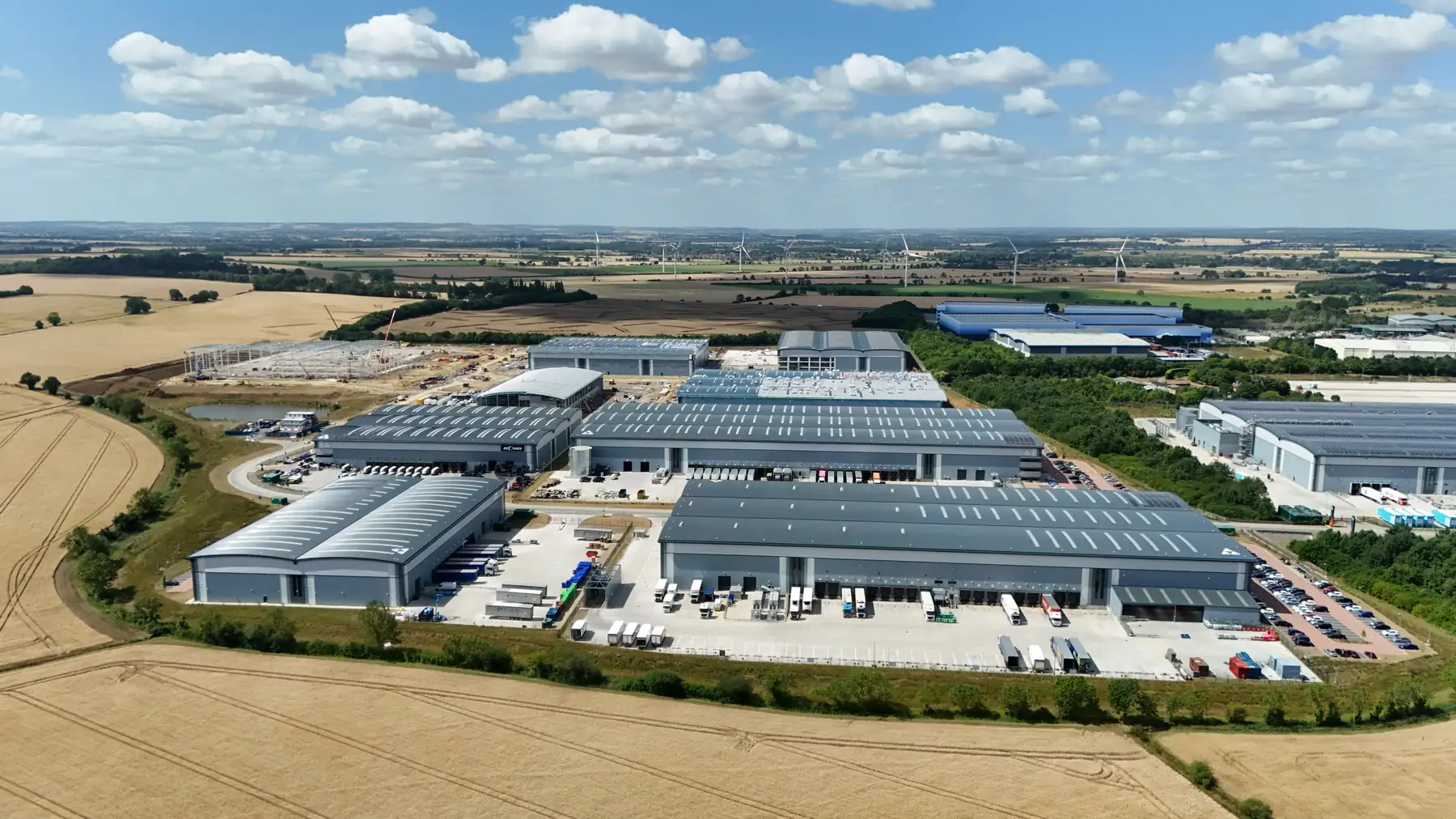
Drone-powered site security
Most sites already have security systems designed to detect an intrusion. The challenge is what happens next. Aerionic connects your existing site security to rapid aerial verification, active deterrence and coordinated response — so your team understands what is happening sooner, responds faster, and makes better decisions when it matters.
Cameras see it.
We go and look.
Most sites already have cameras, fences and alarms. What's missing is anything that goes and looks when one trips. Aerionic connects a control screen, a drone and a response team so that check happens automatically.
Your cameras, perimeter sensors, access control and gate alarms all feed one queue. The operator stops hopping between four systems and sees the whole site in one place.
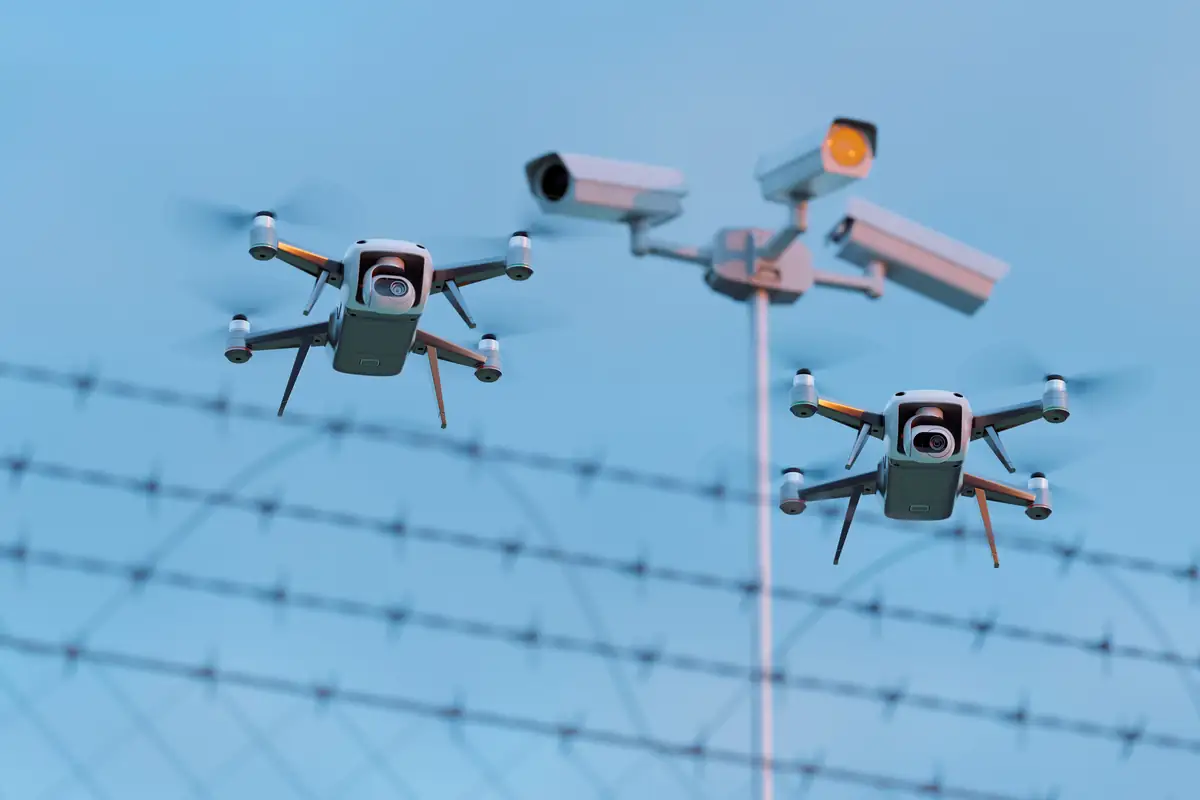
It lives in a weatherproof dock on your site, charging. On an alarm it launches on its own, flies to the exact coordinates, and streams thermal and daylight video back — then warns whoever is down there over a speaker.
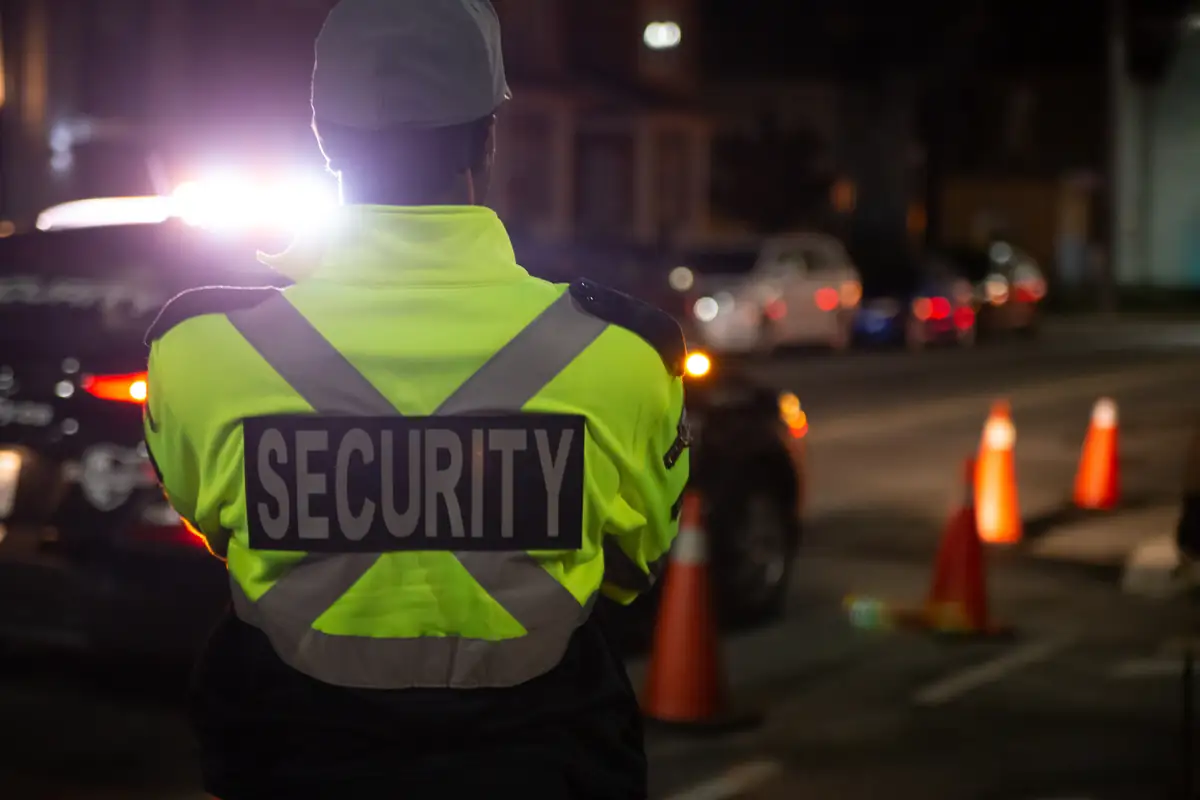
If it's a real intrusion, guards, K9 handlers and mobile units are dispatched — and they arrive already knowing how many people are on site and where they are, because the drone is still watching.
What happens when
an alarm goes off.
A typical sequence on a live site. Nobody has to decide to launch the drone — the alarm does that. The operator's job is to look at what comes back and decide whether to send people.
A fence sensor, camera analytic or gate contact trips. It lands in the Aerionic queue with a location on the site map.
The dock opens and the aircraft flies the alarm point autonomously. No pilot has to be called out of bed.
Thermal and optical video overhead. The operator can now see whether it's a person, a fox, or a branch in the wind.
Spotlight, siren and a live voice over the speaker. Most opportunist intruders leave at this point.
If they stay, guards and K9 are dispatched and tracked in while the drone holds the target. Everything is recorded.
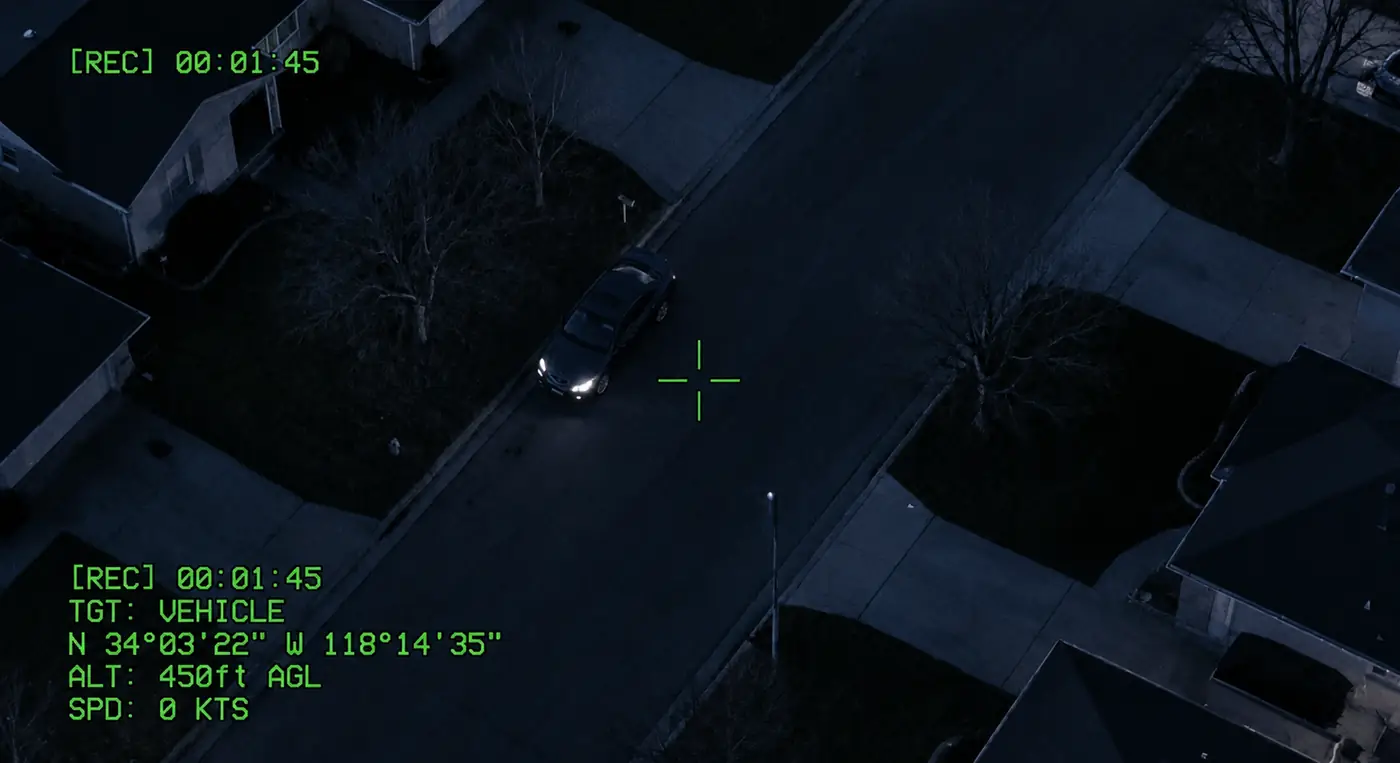
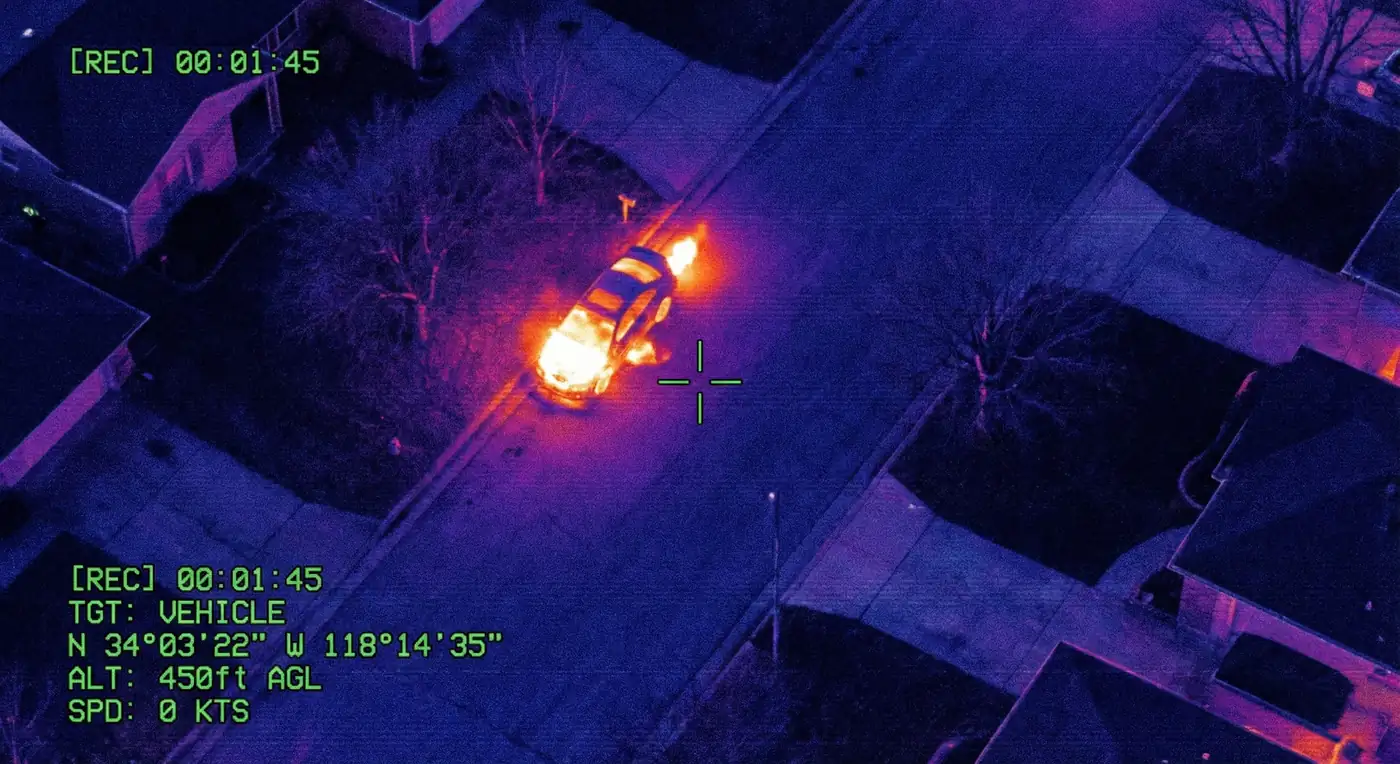
A warm engine block, a person crouched behind a wheel arch, or an empty yard — thermal tells you in a glance, in total darkness. Every frame is timestamped and geotagged, so the same footage works later as evidence for the police and your insurer.
Three levels.
Start where you need to.
You don't have to buy all of it. Most sites start with the software, add the drone once they've seen how many callouts are false alarms, and add ground response last.
Alarms, cameras, aircraft, teams and evidence on one screen, so an operator can decide in seconds instead of clicking between four systems. Works with the cameras and sensors you already own.
See how Command worksA drone and its dock installed on your site. It launches on the alarm, flies the point on its own, streams thermal and daylight video back, and can light up and speak to whoever is there.
See how aerial response worksWe add the response itself: guards, K9 handlers and mobile units, dispatched through the same system and guided by the live view from overhead. The incident gets closed, not just recorded.
See how coordinated response worksThe drone doesn't sit
idle between alarms.
Alarms are rare. The same aircraft, dock and pilot licence you've already paid for can do surveying and inspection work the rest of the time — which is usually how the whole system pays for itself.
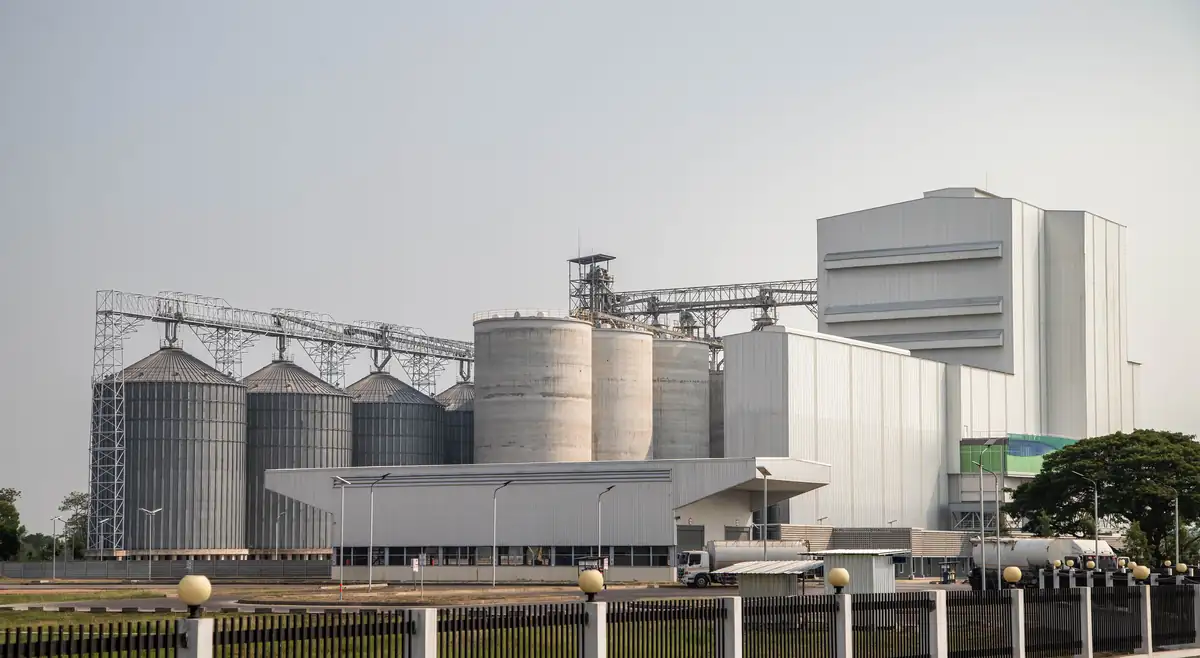
Scan stock piles, tanks, switchgear and charging bays for heat that shouldn't be there, before it becomes a fire.
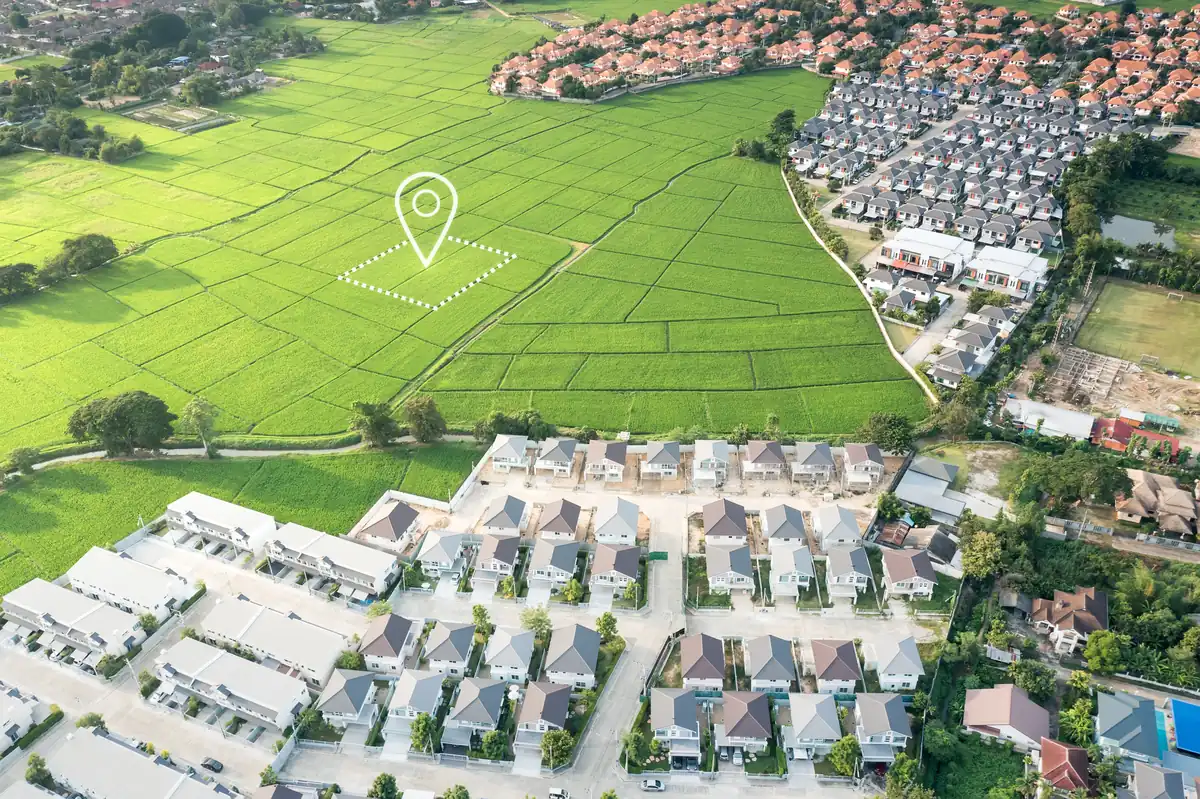
Up-to-date aerial maps and 3D models of your site for planning, boundaries, volumes and tracking what's changed.
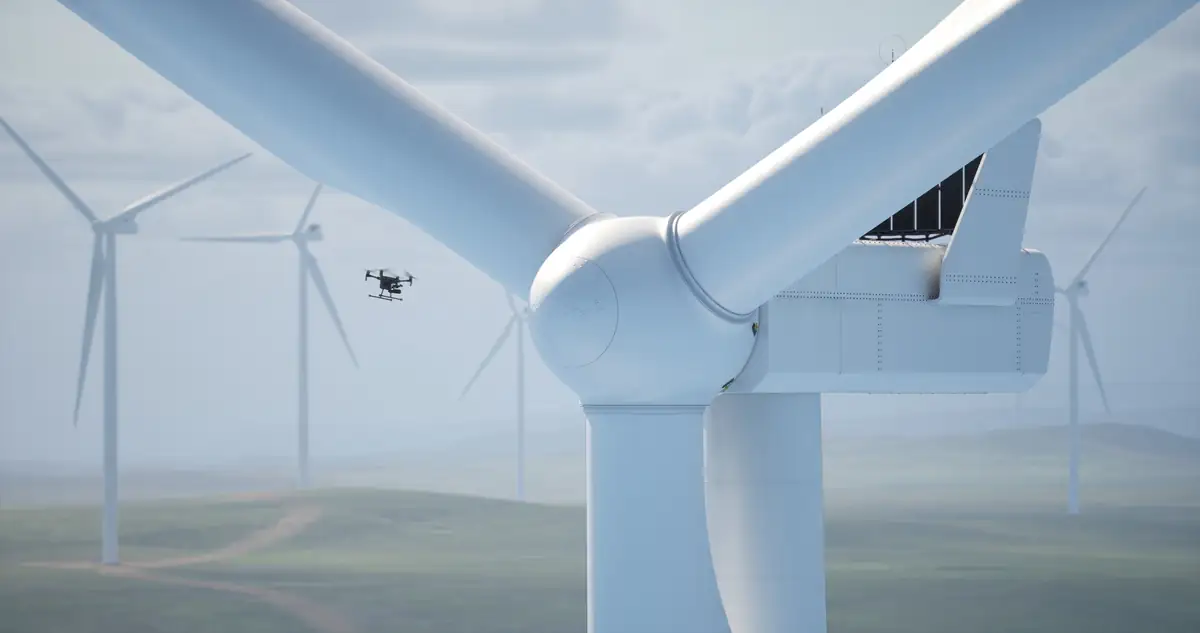
Close-up footage of roofs, stacks, cranes and structures — no scaffolding, no cherry picker, no permit to work at height.
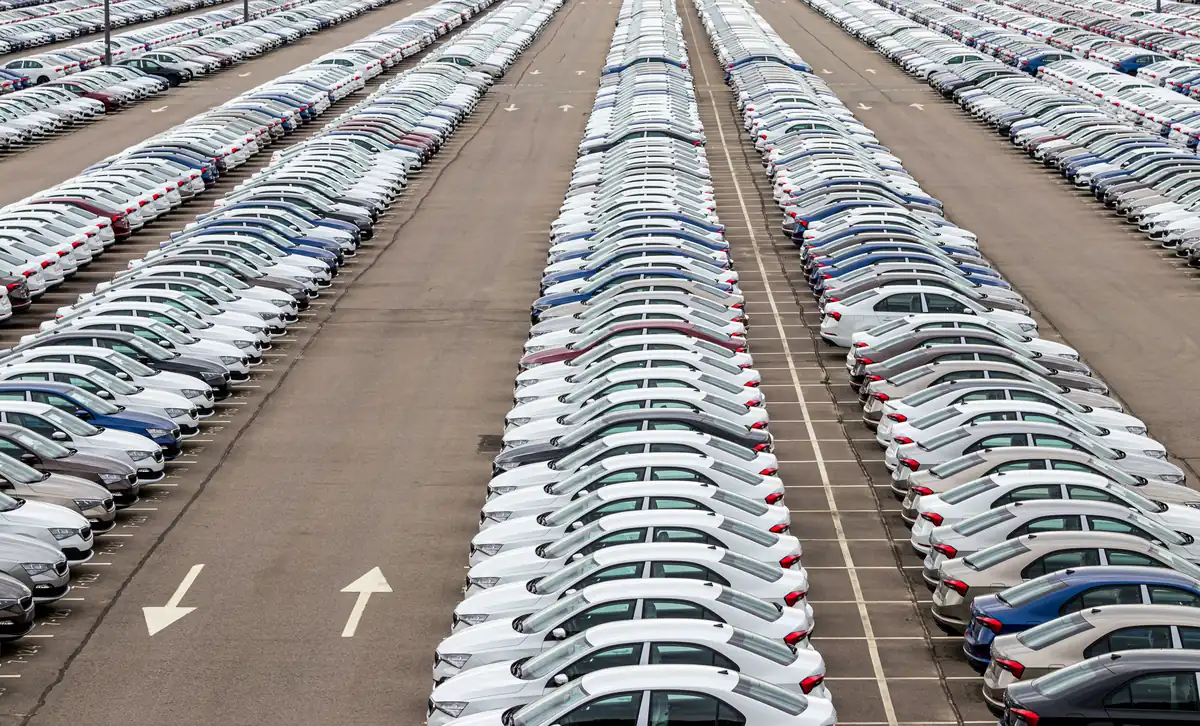
A scheduled sweep that counts what's in the yard, spots what's been moved, and flags space you aren't using.
Sites too big to walk,
too valuable to leave.
Turn alerts into action.
Tell us about your site and we'll show you what the first 90 seconds of an incident would look like on it.